
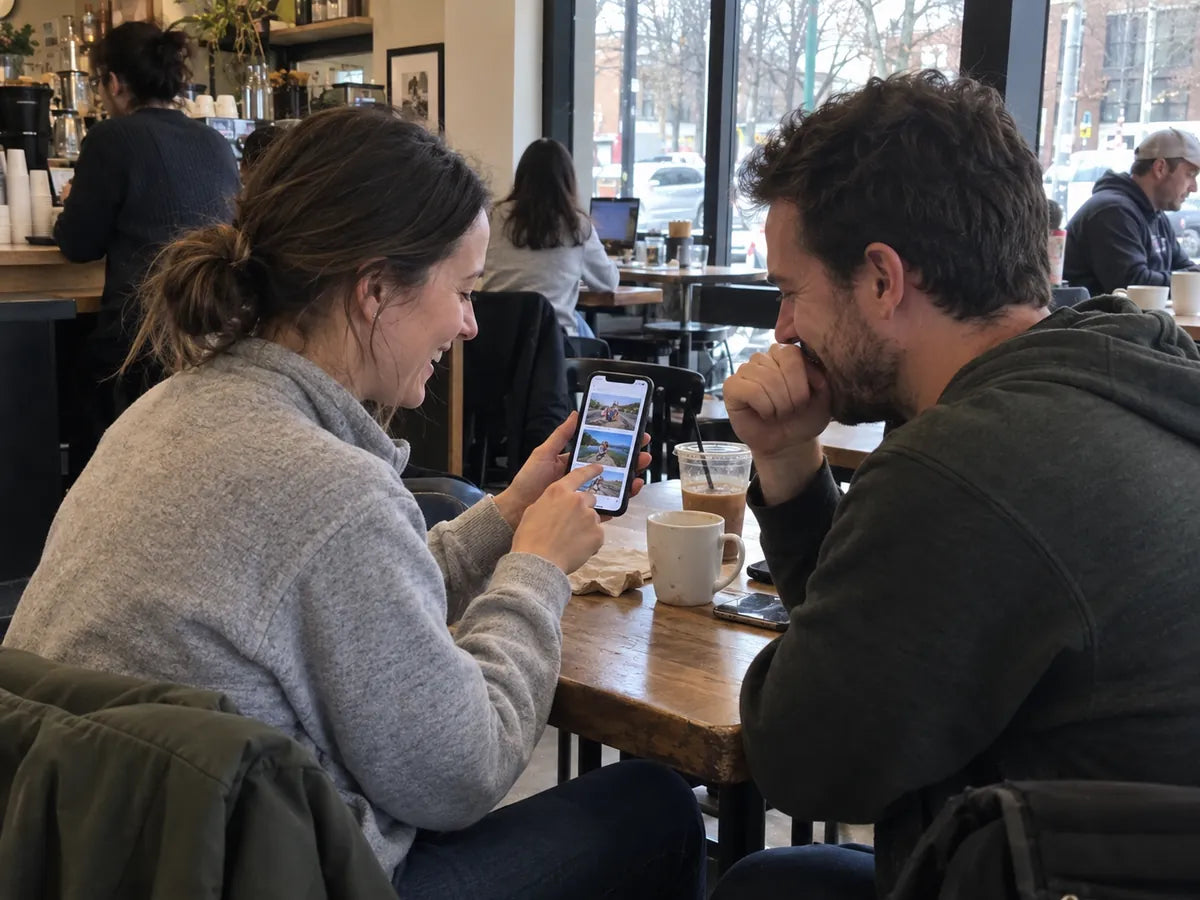
Choose an experience by the activity, the real provider, and the practical details, not by a generic photo of a happy couple. Before booking, both people should understand the total cost, timing, location, skill level, access, and cancellation conditions. This checklist is a planning tool; it does not verify a particular offer or imply that Unspoken has tested a venue.
Start with the experience you both want
Ask whether the aim is to learn, make something, explore, relax, eat, or simply spend time together. A pottery workshop and a guided tour may both be marketed as dates while asking very different things of energy, mobility, noise tolerance, and social confidence.
Keep the shortlist small. Three genuinely suitable options are easier to compare than thirty attractive cards with missing information. Let either person rule out a category without needing to defend the preference as rational enough.
Check the price unit
A displayed price may be per person, per group, or the starting price for a particular time or package. Read the provider's current offer before treating it as the total for two. Check mandatory fees, taxes, equipment, food, transport, and any other required costs.
An illustrative budget on an editorial date plan is not a live quote. Similarly, a historical price, generic “from” amount, or rounded display is not proof of what checkout will charge. Confirm the final amount before payment.
Verify the actual activity
Read what is included and what participants do. Does a “cooking experience” involve hands-on preparation or watching a demonstration? Does a class require a minimum skill level? Are materials included? Does a product photo show this venue, or merely the category?
Look at recent provider information and available reviews without assuming ratings guarantee the experience you will have. A review count and average should come from a traceable source, not be added for visual reassurance.
Ask about access instead of guessing from images
A photograph cannot establish step-free access, accessible bathrooms, seating, sound levels, dietary accommodation, or a suitable pace. Check the relevant details directly. “Suitable for couples” does not mean suitable for every couple.
If something is important and absent from the listing, contact the provider before booking. The other person should not have to reveal private medical information to justify preferring another option.
Read cancellation and voucher terms
Check the specific offer's rules, date restrictions, expiry, transferability, and what happens if the provider changes the event. A generic “cancel anytime” banner is not a substitute for the applicable terms.
For gifts, decide whether the recipient would prefer a choice rather than a fixed date. A surprise can preserve the activity while revealing the date, duration, cost commitments, and anything they need to wear or bring.
Keep the booking honest
If the purchase happens on Viator, Amazon, or another provider, the button should say so. Unspoken should not imply it is taking a reservation or selling an item when it only links outward. A link to a category search should be labeled as a search, not as one verified product.
Affiliate relationships should be disclosed where relevant, and a purchase should remain optional. A thoughtful plan can be useful even when no commission or transaction follows.